Tiered Loyalty Bridges: Slot Incentives Extending Into Live Table Rewards Across Regulated Markets
Erik Hughes · Aug 22, 2026
Tiered Loyalty Bridges: Slot Incentives Extending Into Live Table Rewards Across Regulated Markets
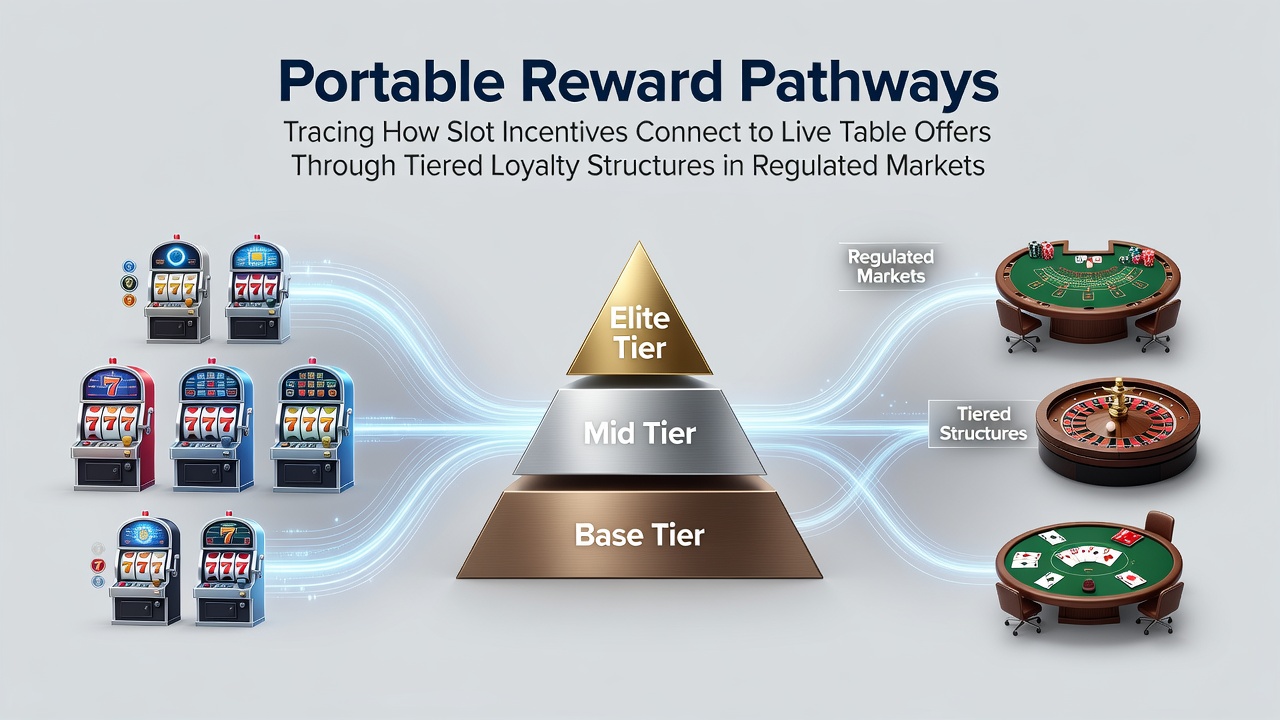
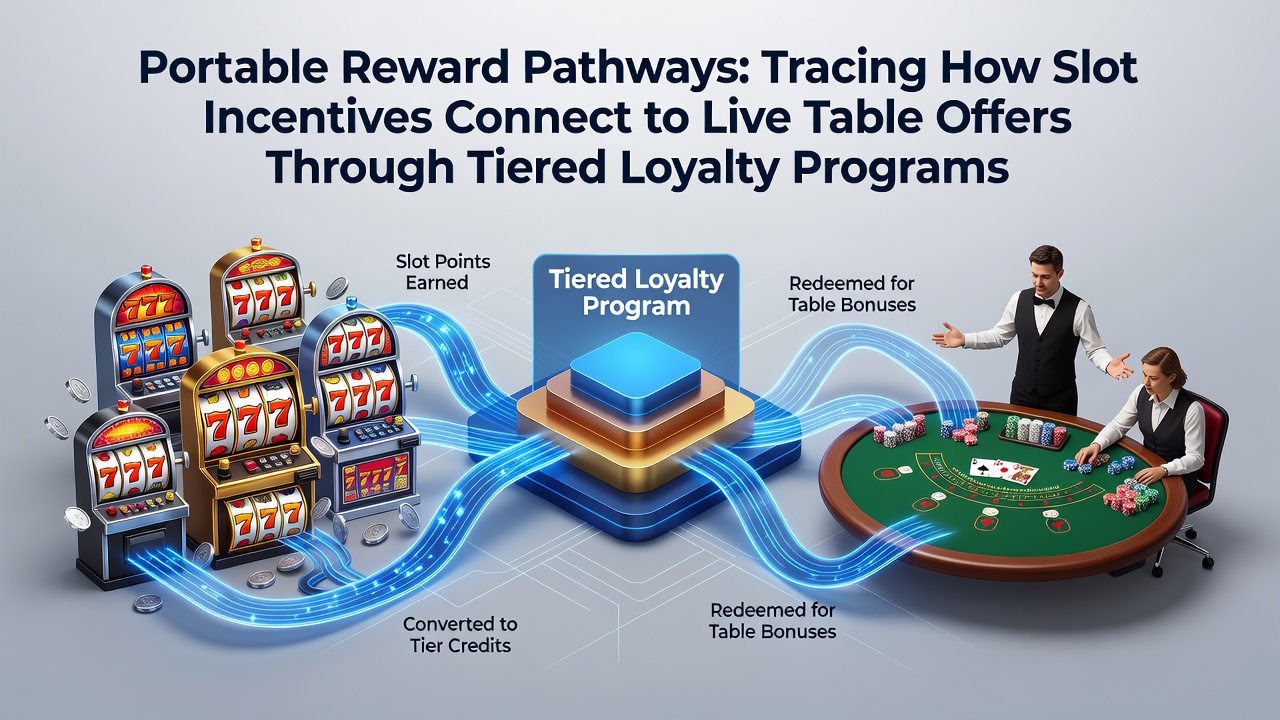
Portable reward pathways operate through structured loyalty programs that link slot machine incentives directly to live table game offers in regulated jurisdictions, and operators track player activity across both verticals to award escalating benefits based on cumulative play. These systems rely on tiered structures where initial slot activity generates points that unlock table game perks such as matched bets or priority seating once players reach designated thresholds.
Mechanics of Point Portability
Regulated markets require operators to maintain transparent point accrual rules so that activity on slots contributes to a unified player profile that later applies to table games, and this integration occurs through centralized loyalty platforms that update in real time during sessions. Players advance through bronze, silver, gold, and platinum tiers by meeting volume requirements, while each level automatically activates new offers like reduced house edges on blackjack or exclusive roulette tournaments.
Data from state regulators shows that portability rules prevent siloed rewards, ensuring slot-generated points remain valid for table redemptions within the same account, and this design emerged from licensing conditions that emphasize player retention across game types rather than isolated verticals.
Regulatory Frameworks Supporting Integration
In August 2026 several North American and European licensing bodies updated compliance guidelines to mandate clear disclosure of cross-vertical reward transfers, and these changes aligned with broader efforts to standardize player tracking across digital and land-based platforms. The Nevada Gaming Control Board requires operators to submit annual reports detailing how slot points convert into table game credits, whereas Australian state authorities enforce similar portability standards through their respective gaming commissions to maintain market fairness.
One study released by a university research group in Canada documented that integrated loyalty systems increased average session length by connecting early slot play to later table participation, while figures from industry associations indicated that tiered programs now cover over 70 percent of regulated casino floors in monitored jurisdictions.
Observers note that the transition from slots to tables often follows predictable patterns where players receive targeted invitations once they accumulate sufficient points, and these offers appear as personalized messages detailing exact table game rewards tied to their current tier status.
Case Examples from Multiple Jurisdictions
Take one operator licensed in New Jersey that routes slot points into live dealer blackjack credits once players hit the silver tier, and this pathway activates automatically without additional deposits because the system recognizes cumulative handle across both categories. Similar structures appear in Atlantic Canadian provinces where regulators require point portability to prevent players from restarting tier progress when switching game types.
European markets follow comparable models under Malta Gaming Authority oversight, where slot incentives generate table game vouchers that expire only after set periods, allowing flexibility for players who alternate between electronic and physical tables during extended visits.
Technical Implementation Details
Backend systems use unified player databases that log every wager regardless of game category, then apply weighted multipliers so that table game activity often accelerates tier advancement compared with equivalent slot volume. This weighting reflects house edge differences and encourages progression through the full loyalty ladder rather than remaining in one vertical.
Operators must audit these calculations quarterly to satisfy licensing conditions, and independent testing labs verify that portable rewards do not create unintended advantages that breach regulatory caps on promotional value.
Player Journey Through the Structure
Players begin at entry-level tiers with basic slot free-play credits that convert into table match bonuses after meeting modest playthrough thresholds, and movement to higher tiers unlocks concierge services for live games alongside larger reward pools. The pathway remains consistent across devices because mobile apps sync with on-site kiosks, allowing seamless continuation when someone shifts from online slots to a physical casino floor.
Research indicates that such connectivity reduces player churn because rewards feel cumulative rather than fragmented, and operators report higher lifetime value from accounts that engage both slot and table offerings through a single tier system.
Conclusion
Portable reward pathways continue to evolve as regulators refine rules around point conversion and tier maintenance, with August 2026 updates highlighting the need for clearer player communication on how slot activity feeds live table benefits. These structures operate within strict compliance boundaries across multiple continents, linking incentives through shared loyalty frameworks that prioritize transparency and consistent tracking.