Synchronizing Mobile Incentives with Tiered Loyalty Structures in Regulated Online Gaming Platforms
Morgan Werner · May 28, 2026
Synchronizing Mobile Incentives with Tiered Loyalty Structures in Regulated Online Gaming Platforms
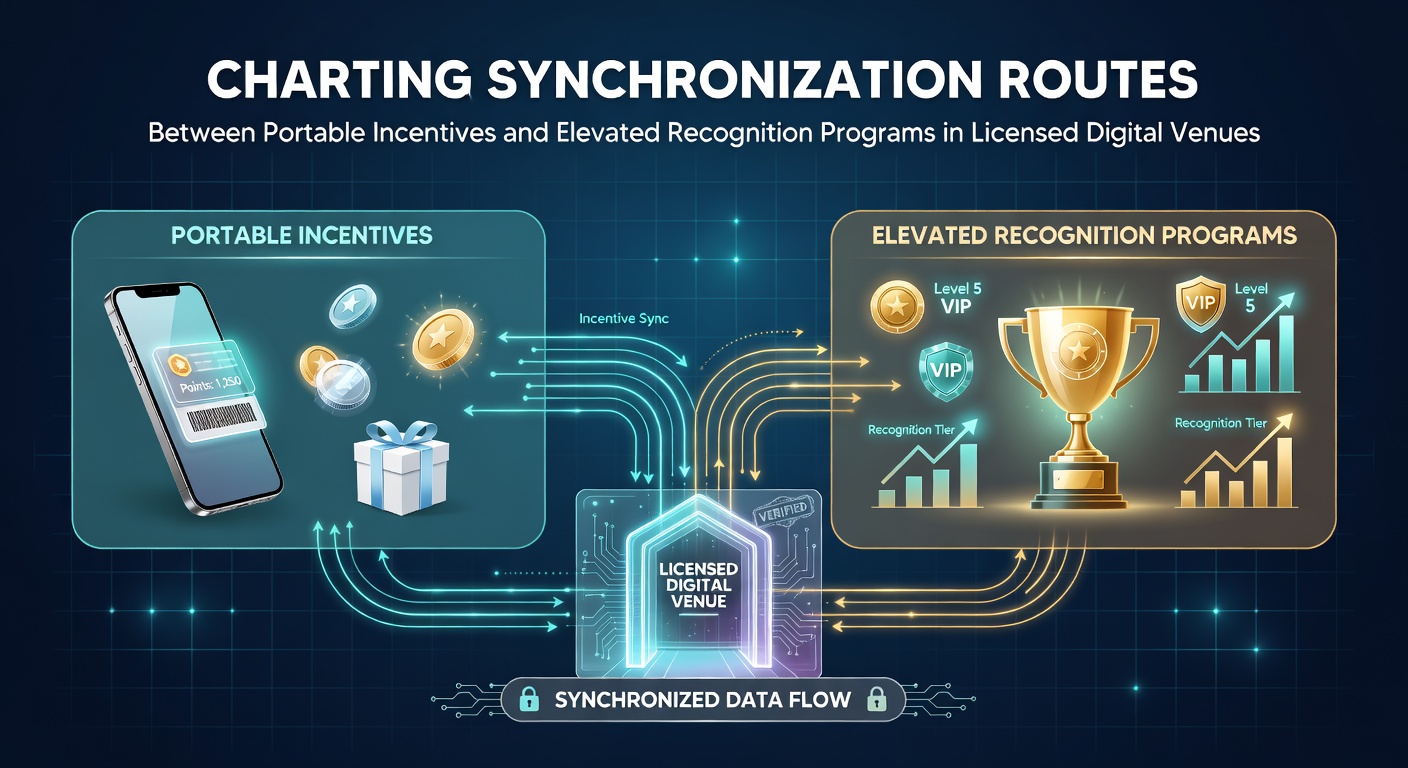
Operators in licensed digital venues continue to develop technical pathways that link mobile incentives directly to elevated recognition programs, allowing players to accumulate and redeem rewards across devices without interruption. These synchronization routes rely on unified account systems that track activity in real time, converting deposits, wagers, and session lengths into loyalty points that feed into tier progression. Data from multiple jurisdictions shows that such integration increases retention rates when players move seamlessly between smartphone apps and desktop platforms.
Portable incentives typically include deposit matches, free spins, and cashback offers delivered through mobile applications, while elevated recognition programs feature tiered benefits such as personalized bonuses, faster withdrawals, and dedicated account management. Synchronization occurs through backend databases that assign unique player identifiers, ensuring every mobile transaction updates the central loyalty ledger immediately. In May 2026 industry reports highlighted platforms in several markets achieving 98 percent data consistency across mobile and web interfaces after implementing these unified tracking protocols.
Technical Foundations of Cross-Device Reward Tracking
Developers build application programming interfaces that connect mobile bonus engines to loyalty management software, creating continuous data flows. These interfaces record every qualifying action on portable devices and apply corresponding point multipliers according to a player's current tier status. Observers note that successful implementations often incorporate encryption standards and audit logs to maintain compliance with licensing requirements across regions.
One study released by the University of Nevada, Las Vegas examined synchronization accuracy in North American markets and found that real-time updates reduced point discrepancies by 42 percent compared with batch-processing methods. The research indicated that players using synchronized systems completed more loyalty milestones within shorter timeframes, particularly when incentives earned on mobile devices carried over automatically to higher recognition levels.
Regional Variations in Integration Approaches
European operators frequently adopt centralized player account registries that span multiple licensed jurisdictions, allowing mobile incentives earned in one country to contribute to VIP status recognized across borders. Australian regulatory frameworks emphasize responsible gambling filters that must remain active during synchronization, ensuring loyalty points do not override spending limits set by users. Canadian provincial authorities require separate reporting of mobile bonus activity and VIP redemptions, yet many platforms have streamlined these obligations through automated export functions.
Those who have examined implementation timelines report that full synchronization typically requires between four and seven months, depending on the complexity of existing loyalty structures. Platforms that completed upgrades ahead of May 2026 deadlines reported measurable increases in cross-device session frequency, with average player engagement rising during evening hours when mobile usage peaks.
Player Journey Examples Across Synchronized Systems
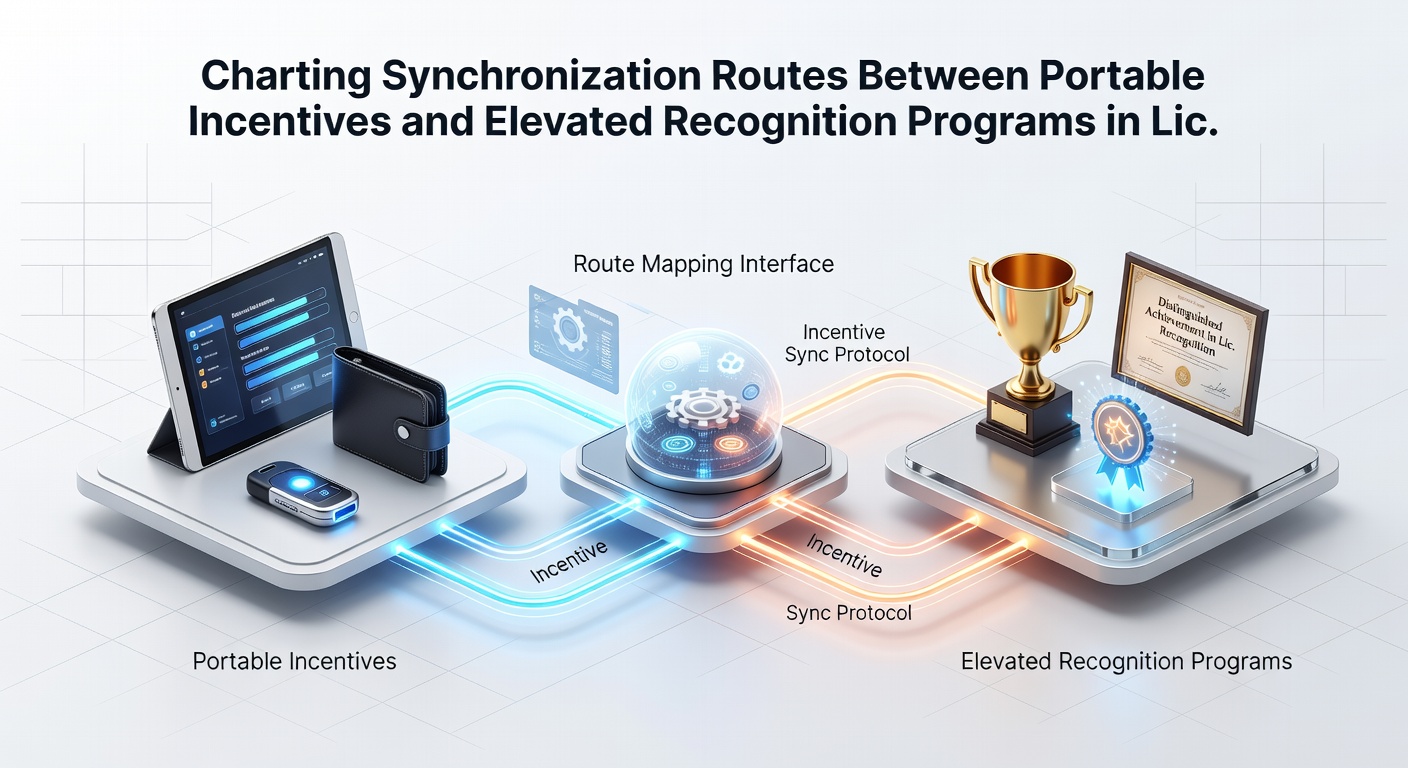
Take one frequent user who activates a mobile deposit bonus on a weekday morning; the system immediately adds the corresponding loyalty points and recalculates the distance to the next recognition tier. Later the same day, when the player accesses the desktop version, the updated status appears without manual intervention. This continuity encourages continued participation because rewards feel consistent regardless of access point.
Another case involves seasonal promotions where mobile-only incentives carry enhanced point values during specific campaigns. Licensed venues that route these offers through the central loyalty engine see participants advance through multiple tiers within a single promotional period. Figures released by the American Gaming Association in early 2026 documented similar patterns among operators using integrated mobile and VIP platforms.
Compliance and Security Considerations
Regulators in various markets require that synchronization routes undergo independent testing before deployment. Auditors verify that mobile incentives cannot bypass age verification or self-exclusion lists when feeding into recognition programs. Security teams implement token-based authentication so that point transfers occur only between verified sessions, reducing risks associated with account sharing.
What's interesting is how some venues have introduced optional verification steps for high-value redemptions originating from mobile incentives. These steps add friction only when necessary while preserving the overall flow for standard activity. Research conducted by the National Council on Problem Gambling indicates that transparent point tracking helps users maintain awareness of their activity levels across all channels.
Future Developments in Reward Pathway Mapping
Emerging technologies such as cloud-based loyalty modules allow operators to adjust synchronization rules dynamically without full system overhauls. These modules support regional customization, enabling different point conversion rates based on local licensing conditions. As more venues adopt these tools, the mapping of portable incentives to elevated recognition programs continues to grow more precise and responsive to player behavior patterns.
Conclusion
The synchronization of mobile incentives with tiered loyalty programs represents a technical and operational evolution within licensed digital venues. Unified tracking systems, regional compliance adaptations, and ongoing security enhancements form the core components of these routes. Data from academic and industry sources confirms measurable impacts on engagement metrics when integration reaches high consistency levels. Continued refinement of these pathways will likely shape how recognition programs evolve alongside mobile-first player habits in regulated markets.