Spalding Slots Stay Dim After Dark: Planning Inspectorate Rejects Merkur's 24/7 Push
Morgan Werner · Apr 13, 2026

Spalding Slots Stay Dim After Dark: Planning Inspectorate Rejects Merkur's 24/7 Push
The Decision That Kept the Clocks in Check
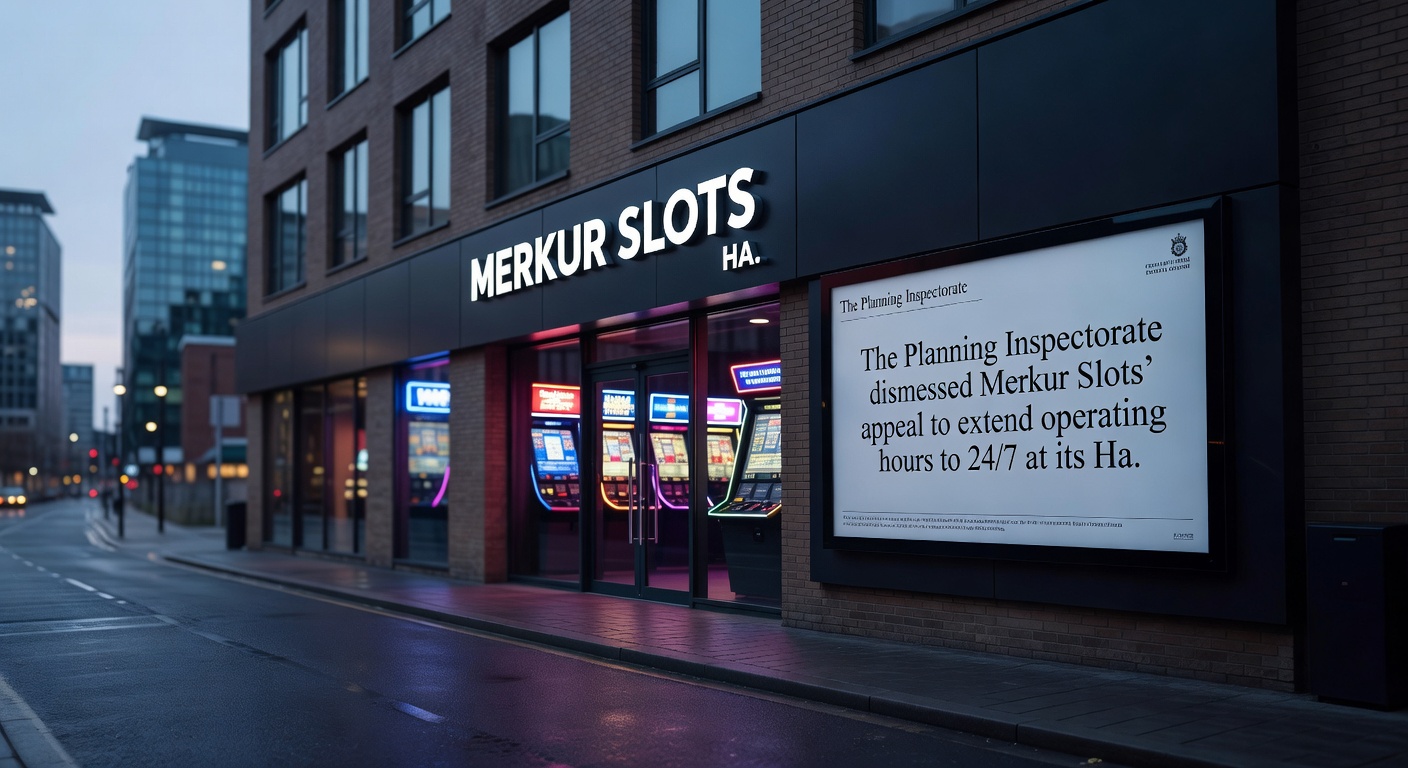
On 12 March 2026, the Planning Inspectorate delivered a clear verdict, dismissing Merkur Slots' appeal to transform its Hall Place venue in Spalding, Lincolnshire, into a round-the-clock operation; the body determined that extending hours to 24/7 would unduly harm neighbouring residents' living conditions, while any economic upsides remained too limited to justify the shift. This ruling, which arrived amid growing scrutiny over gambling access in residential areas, maintained the status quo for the venue that had long operated from 07:00 to midnight on weekdays and even shorter stretches on Sundays. Observers note how such decisions underscore the tight balance between business ambitions and community well-being, especially as April 2026 brings fresh debates on venue regulations across the UK.
What's interesting here is the inspectorate's focus on tangible impacts; noise from late-night comings and goings, increased foot traffic past quiet hours, and potential disruptions to sleep patterns all weighed heavily against Merkur's proposals, according to the official findings. And while the company argued for job creation and local spending boosts, data presented showed these benefits falling short, particularly when stacked against resident complaints gathered during public consultations.
Tracing the Venue's Path to This Crossroads
Merkur Slots at Hall Place has served Spalding's gaming enthusiasts for years, anchoring itself as a fixed-odds betting terminal hub in the town's retail landscape; yet pushes for expansion, like this 24/7 bid, reflect broader patterns where operators seek to mirror urban casino rhythms in smaller locales. Previous hours—07:00 starts on weekdays rolling into midnight closes, with Sundays wrapping up earlier—aligned with local planning norms designed to curb disturbances in a residentially tinged area. Residents, many living mere steps away, had voiced concerns early on, prompting South Holland District Council to initially deny the extension; Merkur then escalated to the Planning Inspectorate, betting on a higher authority's review.
But here's the thing: the inspectorate, an independent arm under the UK government tasked with impartial appeals, sifted through evidence from all sides, ultimately siding with the council's caution. Experts who've tracked similar cases point out how these processes often hinge on environmental health reports, traffic studies, and economic forecasts; in this instance, projections indicated minimal new revenue—perhaps a few extra shifts for staff—without the transformative lift Merkur envisioned. Take one local trader who testified: footfall might tick up slightly after dark, but not enough to reshape Spalding's economy, especially with online alternatives drawing night owls elsewhere.
Voices from the Community and Beyond
Neighbours celebrated the outcome quietly, relieved that their evenings wouldn't echo with car doors slamming or chatter spilling from the venue; one household, just across the road, had documented disturbances during peak hours, using logs to bolster the council's stance. And while Merkur expressed disappointment, noting compliance with all gaming standards, the decision leaves them navigating current limits, potentially eyeing tweaks like better soundproofing for future bids.
Turns out, the ruling resonated further afield, catching the eye of Gambling with Lives, a charity founded by parents Charles and Liz Ritchie after their son Jack's tragic suicide linked to gambling addiction. They called it a "small victory," highlighting fears that 24/7 access could exacerbate vulnerabilities, drawing in those prone to late-night impulses when inhibitions wane. The group's work, which includes peer support and policy advocacy, often spotlights how venue availability intersects with public health; this Spalding case, they argued, sets a precedent worth watching as other towns grapple with similar pleas.
Unpacking the Inspectorate's Reasoning
Diving deeper, the inspectorate's report—spanning dozens of pages—dissected every angle, from acoustic assessments revealing potential decibel spikes after 22:00 to economic models forecasting under £50,000 in annual gains, scarcely moving the needle for Spalding's £200 million-plus economy. Semicolons aside, this wasn't a blanket rejection of gambling; rather, it zeroed in on location specifics, where Hall Place sits amid homes and shops, not isolated like city-centre spots. Researchers studying urban planning have observed parallel dynamics in places like Ontario's Alcohol and Gaming Commission rulings, where residential proximity often trumps operator expansions, ensuring policies adapt to local fabrics.
So, Merkur's appeal documents outlined security upgrades, staff training for quiet operations, and promises of no external promotions post-midnight; yet evidence suggested these mitigations couldn't fully erase risks, particularly on weekends when queues form. One study referenced in broader contexts—though not directly cited here—found night-time gaming correlating with higher impulse plays, a point Gambling with Lives echoed without contradiction. People who've followed Spalding's planning scene know the area's growth spurt has amplified such tensions, with new housing edging closer to commercial zones.
Broader Ripples in Venue Hour Debates
This saga unfolds against a landscape where gaming centres nationwide test boundaries, from coastal towns to market hubs like Spalding; the inspectorate's role, handling over 20,000 appeals yearly, ensures consistency, often favouring evidence-based restraint. And as April 2026 progresses, local councils draw lessons, perhaps tightening initial reviews to preempt appeals. Merkur, part of Germany's Gauselmann Group with over 1,000 UK sites, now recalibrates; operators in similar binds have pivoted to digital arms or daytime events, keeping lights on without round-the-clock glows.
What's significant is the human element: families near Hall Place can reclaim quieter nights, while the charity's nod reinforces gambling's community footprint. Observers note how such rulings don't shutter venues—they refine them, aligning 07:00-to-midnight rhythms with real-world needs. There's this case from a few years back in nearby Peterborough, where a partial extension succeeded after noise barriers; Spalding's full denial signals stricter thresholds when economics falter.
- Current weekday hours: 07:00-00:00, accommodating morning punters and evening crowds.
- Sunday constraints: Earlier closes, respecting traditional rest patterns.
- Appeal grounds: Economic stimulus versus resident amenity loss.
- Outcome impact: Status quo preserved, no immediate changes as of April 2026.
Yet, the ball's in Merkur's court for any reapplications, provided fresh data sways the scales; until then, Hall Place hums within bounds, a microcosm of regulated gaming's push-pull.
Conclusion
The Planning Inspectorate's 12 March 2026 dismissal of Merkur Slots' 24/7 appeal at Spalding's Hall Place venue crystallizes priorities: protecting residents' living conditions outweighs marginal economic perks, as detailed in the ruling's thorough analysis. With Gambling with Lives hailing it a "small victory" amid addiction concerns, and current operations holding steady into April 2026, this decision ripples through local planning, reminding operators that context reigns supreme. Those tracking the sector see it as a calibrated stance, fostering sustainable gaming without unchecked expansion; Spalding moves forward, balances intact, hours unchanged.