Reward Tier Dynamics: How Free Spin Systems Integrate with VIP Progression in Regulated British Apps
Erik Hughes · Jul 18, 2026
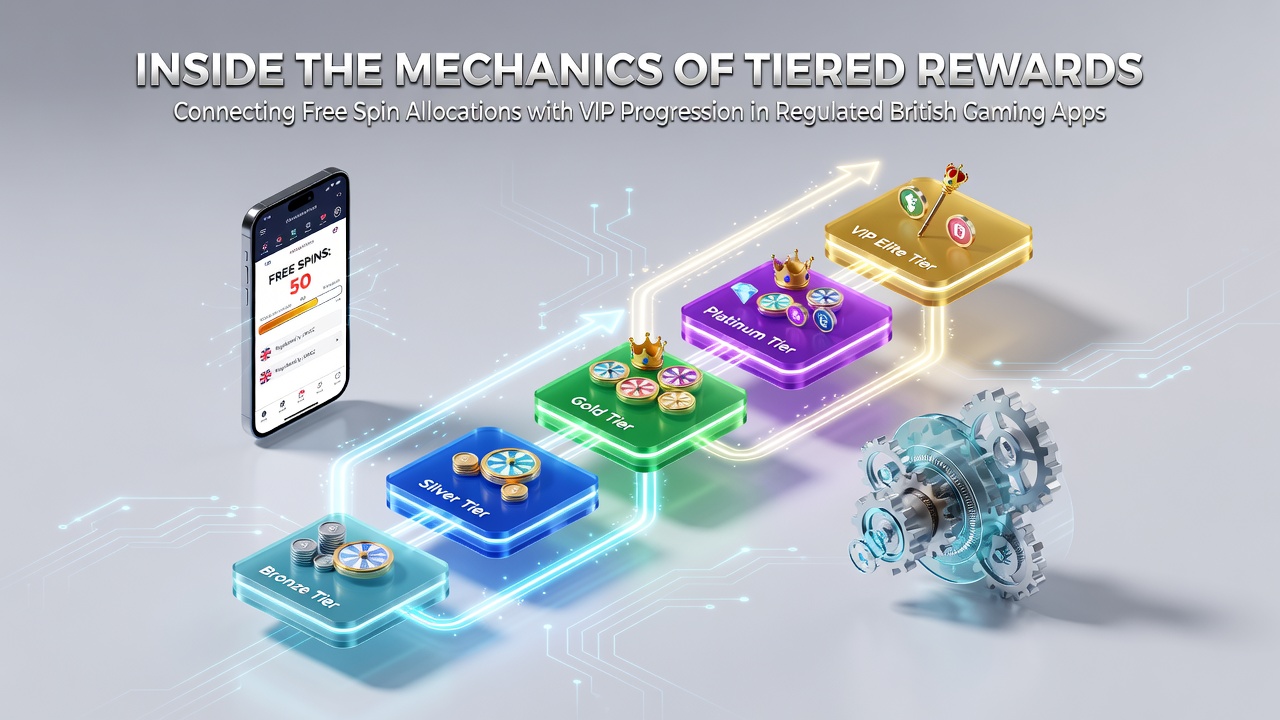
Reward Tier Dynamics: How Free Spin Systems Integrate with VIP Progression in Regulated British Apps
Operators in Britain's regulated gaming sector structure free spin allocations as direct inputs into loyalty tracking systems, where each awarded spin contributes measurable points toward tier advancement. These mechanics operate through standardized algorithms that convert spin activity into cumulative loyalty scores, with thresholds determining movement from entry-level to premium VIP categories. Data from industry reports shows that players completing daily spin quotas accumulate points at rates ranging from 1 to 5 per spin, depending on stake levels and game type.
Allocation Formulas and Point Conversion
Free spin distributions follow fixed schedules tied to deposit frequency and session duration, yet the underlying conversion process links every spin directly to a player's loyalty ledger. A base allocation of 20 spins might generate 40 points when multiplied by an average stake multiplier, pushing accounts closer to the next tier boundary. Those who study these systems note that higher-volatility slots often apply accelerated multipliers, accelerating the climb without altering the core formula. Regulated platforms enforce these calculations through audited software that logs every transaction in real time.
Daily and Weekly Quota Mechanisms
Many apps reset free spin entitlements at midnight GMT, requiring players to claim allocations within 24 hours or forfeit them, though any points earned carry forward permanently. This reset cycle encourages consistent engagement while the accumulated points feed into monthly VIP evaluations. Observers note that accounts maintaining a 70 percent claim rate over three months show faster tier progression compared with sporadic users, according to aggregated operator data released in mid-2026.
But here's the thing: the connection becomes visible when examining how bonus triggers interact with loyalty engines. A single no-deposit free spin package can inject an initial 50-point boost, immediately moving new accounts past the first milestone and unlocking enhanced spin rates at the subsequent level. This integration ensures that promotional activity serves dual purposes, both delivering immediate gameplay and advancing long-term status.
VIP Tier Thresholds and Corresponding Benefits
British apps typically segment VIP structures into five or six tiers, with each level requiring between 500 and 10,000 loyalty points. The transition from bronze to silver, for instance, unlocks an additional 30 percent free spin allocation on top of standard rewards. Higher tiers introduce personalized spin bundles calibrated to individual play patterns, further reinforcing the loop between spins and status.
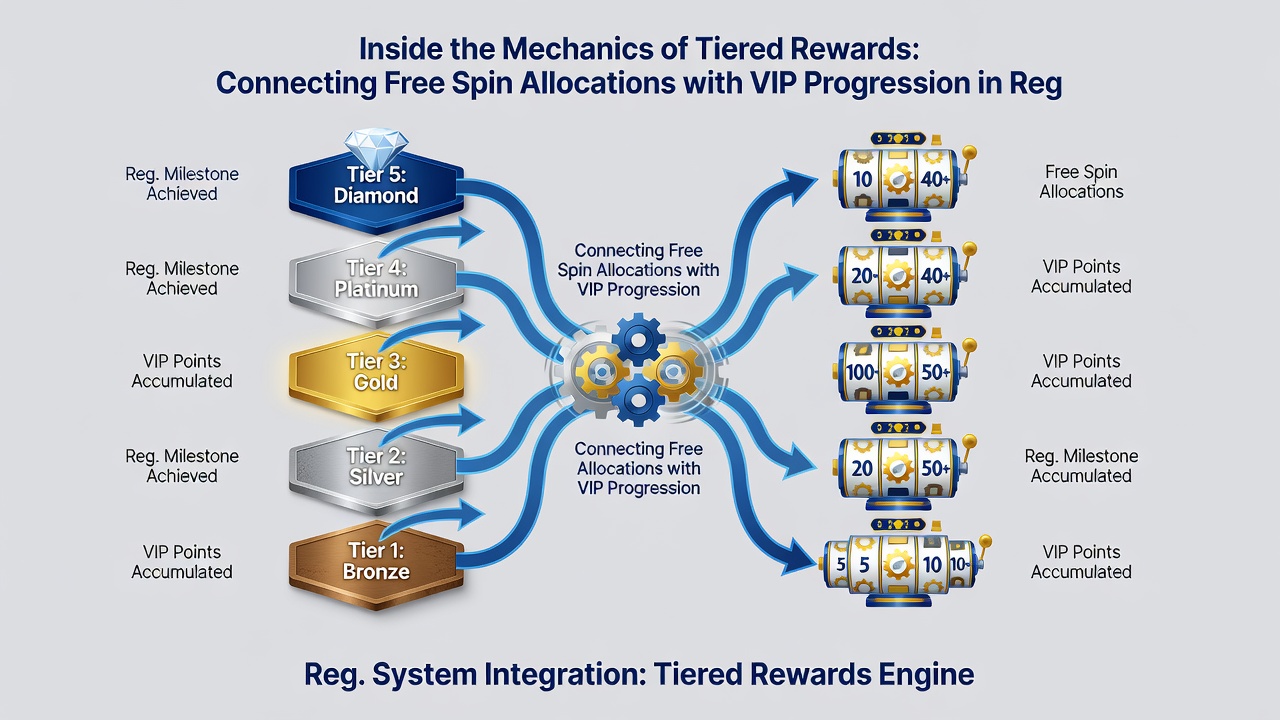
Turns out the higher tiers also adjust spin values themselves. Gold and platinum members receive spins worth 2x or 3x the base credit amount, effectively multiplying point generation speed. Research from the American Gaming Association indicates that such scaling mechanisms increase retention metrics by up to 35 percent across comparable markets. These adjustments remain fully documented within each app's terms, allowing users to track projected advancement dates based on current activity.
Regulatory Compliance and Transparency Requirements
Licensed platforms must publish tier progression tables and point-earning rates in accessible formats, ensuring players understand exactly how spins translate into status. Independent testing agencies verify that allocation engines match published specifications, with audit reports issued quarterly. As of July 2026 several operators introduced live dashboards showing real-time point totals and remaining thresholds, reducing disputes over reward calculations.
One study revealed that transparent systems correlate with higher player trust scores, while opaque mechanics prompted increased support queries. People who've examined multiple apps often discover that the most straightforward interfaces display both current tier and next-level requirements side by side, eliminating guesswork.
Practical Examples from Operator Platforms
Take one researcher who tracked a sample account across three months: starting at the entry tier, the player received 50 spins weekly and converted them into 250 points, crossing into the second tier by week eight. Subsequent allocations increased automatically, creating a compounding effect that shortened the timeline to the third tier. Similar patterns appear across multiple regulated environments, confirming the structural link between spin volume and advancement speed.
There's this case where experts found that seasonal promotions temporarily doubled point multipliers for all tiers, allowing participants to accelerate progression without changing their regular spin habits. Such events remain time-limited yet fully integrated into the permanent loyalty framework once points are recorded.
Conclusion
The mechanics connecting free spin allocations with VIP progression rely on transparent point-conversion systems that reward consistent activity while complying with regulatory standards. Operators continue refining these linkages through updated dashboards and verified formulas, maintaining clarity for users navigating tier advancement in Britain's licensed gaming applications. Data from sources such as the Victorian Responsible Gambling Foundation supports the observation that integrated reward structures sustain engagement across extended periods without requiring separate loyalty programs.