Mapping the Progression from Welcome Offers to Tiered Loyalty Structures in Digital Casino Games
Morgan Werner · Jul 20, 2026
Mapping the Progression from Welcome Offers to Tiered Loyalty Structures in Digital Casino Games
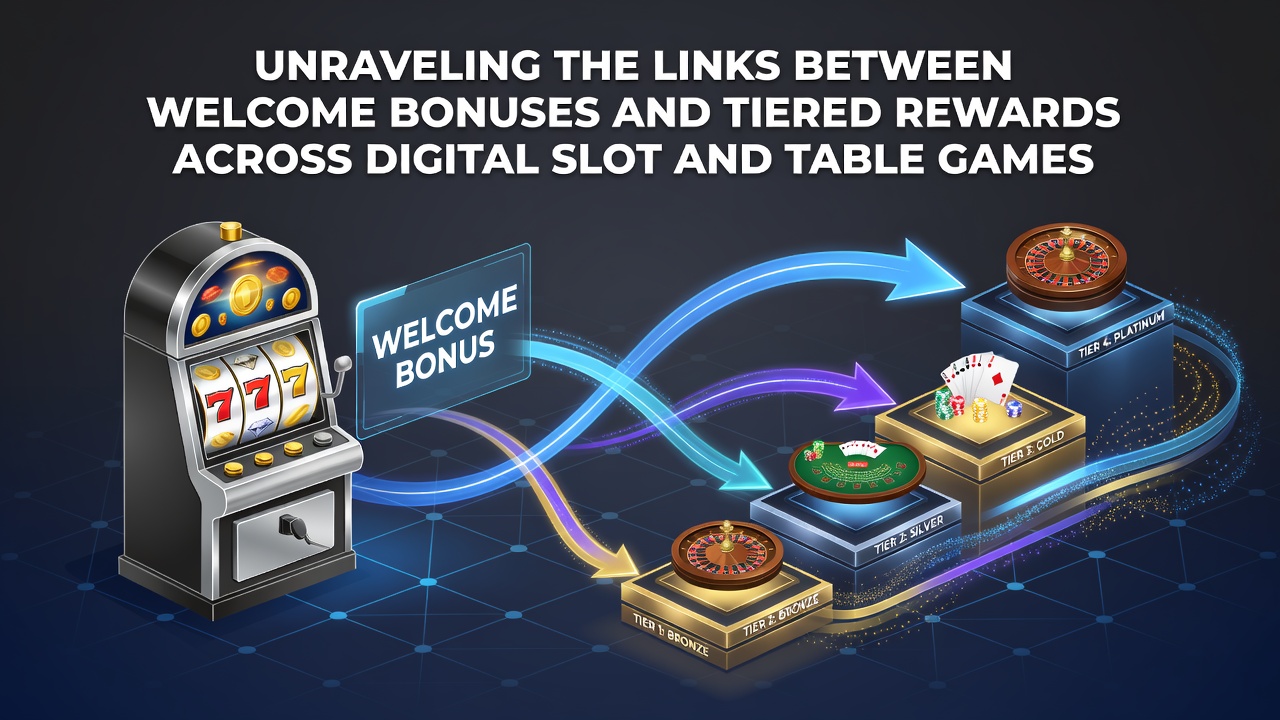
Digital platforms integrate welcome bonuses directly with tiered reward programs so that initial deposits and gameplay feed into loyalty tracking systems across both slot titles and table game variants. Welcome packages typically combine matched deposits with free spin allocations or table credit, and these elements register automatically in player accounts that feed into multi-level VIP frameworks. Data from industry tracking shows participation in these entry offers correlates with faster movement through bronze, silver, and gold tiers within the first 30 days of activity.
Mechanics of Welcome Bonuses in Slots and Tables
Slot operators structure welcome bonuses around reel spins and multiplier features, while table game sections apply similar offers to blackjack, roulette, and poker variants through chip matches and side bet credits. Both categories log wager volumes into centralized loyalty databases that calculate points toward tier advancement. Research from the University of Nevada Reno Gaming Research Center indicates that players who complete welcome bonus wagering requirements within 14 days reach the first loyalty threshold 40 percent more often than those who skip the offers.
Platform algorithms assign tier points based on real money turnover rather than bonus amounts alone, which means the transition from welcome incentives to ongoing rewards depends on consistent play patterns. Slot sessions contribute points per spin volume, whereas table games award points through hand counts and average bet sizes. This unified calculation allows a single player profile to advance across game types without separate tracking streams.
Transition Pathways to Tiered Rewards
Once players exhaust initial welcome packages, the accumulated activity data shifts them into automated tier evaluation cycles that run weekly or monthly. Many systems place new accounts into entry-level tiers immediately after the first deposit processes, then review performance against set thresholds for upgrades. Observers note that digital operators publish clear point tables so participants can forecast when they will qualify for silver or gold status and the associated cashback percentages or event invitations.
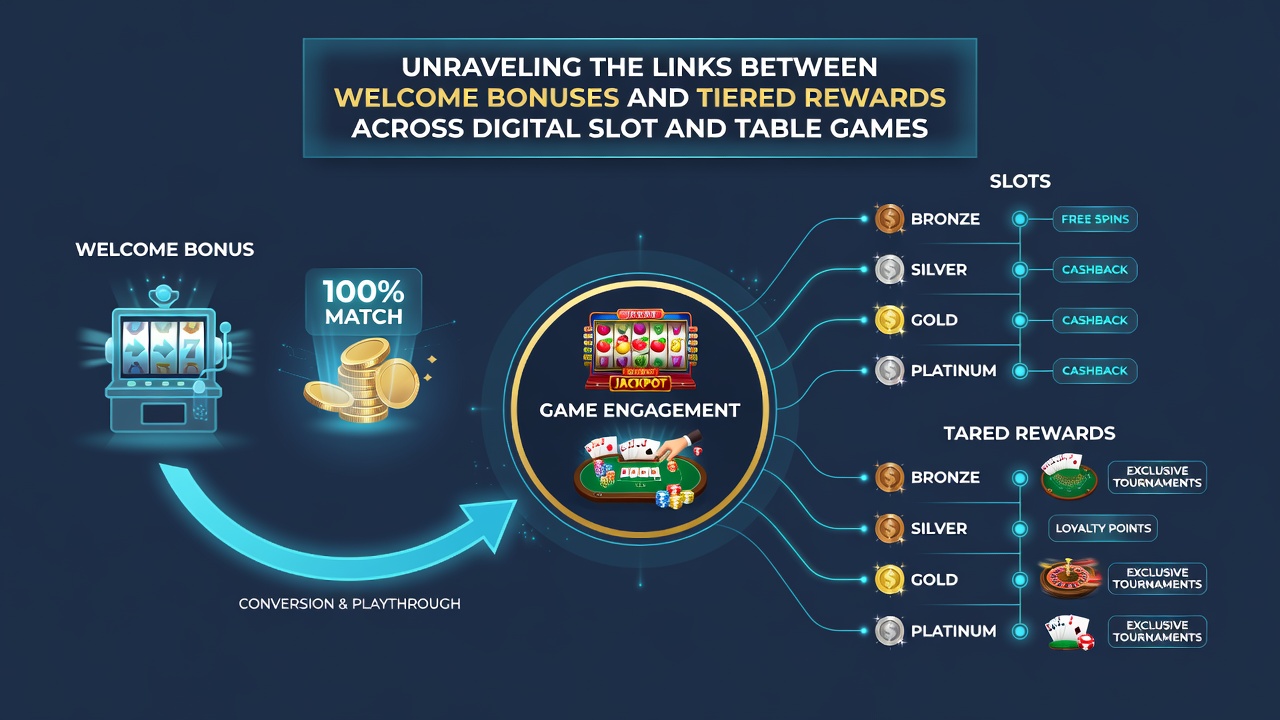
July 2026 reports from several North American operators revealed that integrated bonus-to-tier systems produced a 22 percent rise in average session length compared with standalone promotions. These findings align with figures released by the American Gaming Association, which documented similar retention lifts across multiple jurisdictions during the same period. The data underscores how welcome mechanics serve as on-ramps rather than isolated events.
Cross-Game Consistency and Player Tracking
Operators maintain single loyalty ledgers that span slots and tables, allowing points earned on digital reels to count toward table game privileges such as dealer tip credits or tournament entries. This approach prevents fragmentation that could slow tier climbs. Studies conducted by the Canadian Centre for Gaming Research confirm that unified tracking increases cross-category play by linking bonus completion to broader reward access.
Platform dashboards display real-time progress bars that update after each completed wager, showing remaining requirements for the next tier. Such transparency encourages continued engagement once the welcome phase concludes. In practice, players who reach the second tier often receive personalized reload offers calibrated to their established play history, which further reinforces the connection between early bonuses and sustained participation.
Regulatory Context and Reporting Standards
Regulators in multiple regions require operators to disclose how bonus terms affect loyalty calculations, including any caps on tier points derived from promotional play. These rules emerged to address discrepancies where bonus funds generated fewer loyalty points than cash wagers. Compliance reports filed in Australia during the first half of 2026 showed that clear disclosure reduced player complaints about unexpected tier stagnation by 18 percent.
Software providers embed audit trails within their systems so that both operators and oversight bodies can verify that welcome bonuses feed accurately into tier algorithms. This technical integration supports responsible gaming measures by surfacing high-velocity bonus users who may require additional account monitoring.
Conclusion
The architecture linking welcome bonuses to tiered rewards operates through shared data pipelines that convert initial activity into long-term loyalty status across slot and table environments. Industry reports and academic analyses document measurable effects on retention and session metrics when these systems function together. Continued refinement of point allocation rules and disclosure standards shapes how operators present these interconnected offerings to participants.