Layered Incentive Structures Reshaping Player Engagement in Digital Play Environments
Morgan Werner · May 18, 2026
Layered Incentive Structures Reshaping Player Engagement in Digital Play Environments
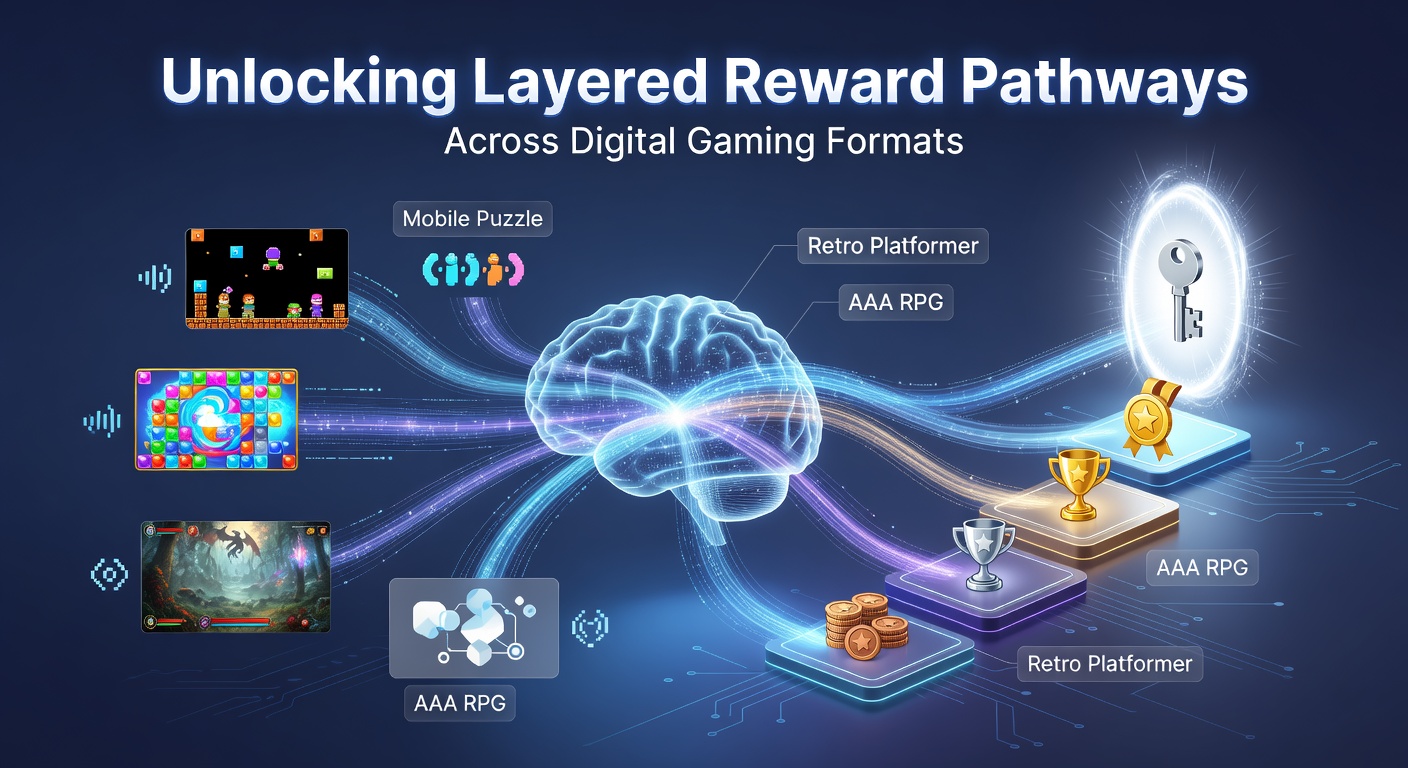
Digital gaming platforms have developed intricate reward mechanisms that span multiple formats including mobile applications, console titles, browser-based experiences and live dealer environments, with each layer building upon the previous to maintain sustained participation. Research indicates these systems operate through sequential stages that begin with immediate feedback loops and progress toward long-term status elevations, creating pathways that adapt to different device types and interaction styles.
Basic entry points typically involve simple point accumulation from completed actions, whether daily logins on handheld devices or mission completions on larger screens. These initial rewards then feed into mid-tier structures such as badge collections or temporary multipliers that encourage cross-platform continuity, allowing progress made on one device to influence outcomes elsewhere. Industry data compiled by the Entertainment Software Association reveals that integrated accounts across formats increased average session duration by measurable margins throughout 2025, with further updates anticipated following reports scheduled for release in May 2026.
Progression Mechanics Across Device Types
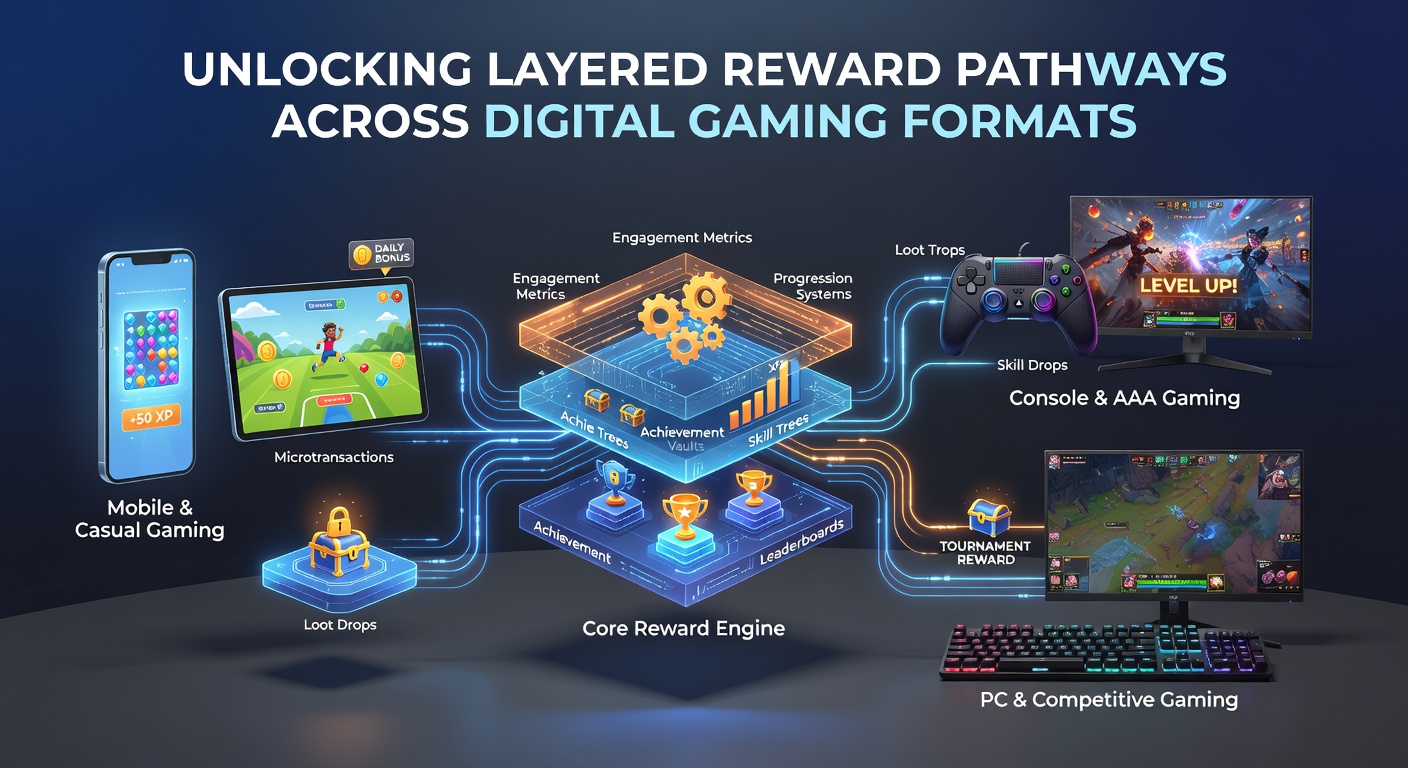
Mobile formats often prioritize quick-hit incentives like streak bonuses and limited-time events that transition smoothly into deeper console or desktop campaigns, where narrative-driven achievements unlock additional customization options. Console ecosystems meanwhile emphasize collaborative milestones that reward group participation, feeding data back into companion apps for ongoing tracking. This cross-format linkage ensures that time invested in one area generates visible benefits in others, a pattern documented across various developer case studies.
Live interactive sessions add another dimension through real-time recognition systems that convert participation into redeemable assets transferable to asynchronous play modes. Observers note that such transfers rely on unified backend databases capable of synchronizing user profiles regardless of access point, reducing fragmentation while preserving individual progression histories.
Status Elevation and Long-Term Retention Tools
Higher layers introduce tiered membership frameworks where accumulated activity grants escalating privileges, from priority access features to exclusive content releases. These frameworks operate independently yet compatibly with lower reward stages, allowing players to advance at their own pace while still benefiting from foundational mechanics. Figures released by the Interactive Games & Entertainment Association in Australia highlight steady growth in multi-tier adoption rates across regional markets, particularly where regulatory frameworks support transparent point valuation methods.
Seasonal resets and hybrid events further refresh these pathways by introducing temporary overlays that accelerate advancement for limited periods. Such events often bridge casual and dedicated segments, pulling data from short-form mobile interactions to populate eligibility criteria for extended desktop challenges. The result appears in aggregated analytics showing diversified engagement patterns rather than concentration around single formats.
Technical Integration Supporting Cross-Format Continuity
Backend architectures rely on cloud-based synchronization protocols that update reward ledgers in near real time, ensuring consistency when users switch between handheld sessions and stationary setups. Developers incorporate modular APIs to accommodate new game types without disrupting existing progression tracks, a flexibility that has proven valuable as augmented reality components enter mainstream circulation. Reports from academic researchers at institutions studying digital economies emphasize the importance of secure tokenization methods in maintaining trust across these distributed systems.
Security protocols also extend to verification layers that confirm legitimate activity before releasing higher-value rewards, preventing exploitation while preserving accessibility for standard participants. These measures integrate with broader compliance requirements that vary by jurisdiction yet share common principles around verifiable fairness in reward distribution.
Emerging Patterns in Multi-Layer Design
Current trends point toward greater personalization within reward pathways, where algorithmic adjustments tailor milestone difficulty according to individual play histories collected across formats. This adaptive quality allows systems to balance challenge and achievability, sustaining motivation without requiring uniform pacing for every user. Data gathered through platform telemetry continues to refine these models, particularly as new hardware capabilities expand interaction possibilities.
Collaborative elements between independent studios have begun testing shared reward pools that span unrelated titles, creating meta-economies where actions in one environment influence standing in another. While still evolving, these experiments demonstrate how layered structures can extend beyond single-ecosystem boundaries when supported by standardized data exchange frameworks.
Conclusion
Layered reward pathways continue evolving through coordinated design choices that align immediate feedback with extended status progression across diverse digital gaming formats. Evidence from industry associations and regulatory monitoring bodies shows sustained investment in synchronization technologies that underpin these systems. As additional findings emerge around May 2026, further refinements are expected to enhance continuity and personalization while respecting regional compliance standards.