From Entry-Level Rewards to Elite Tiers: The Path Through Online Gaming Loyalty Systems
Erik Hughes · Jun 22, 2026
From Entry-Level Rewards to Elite Tiers: The Path Through Online Gaming Loyalty Systems
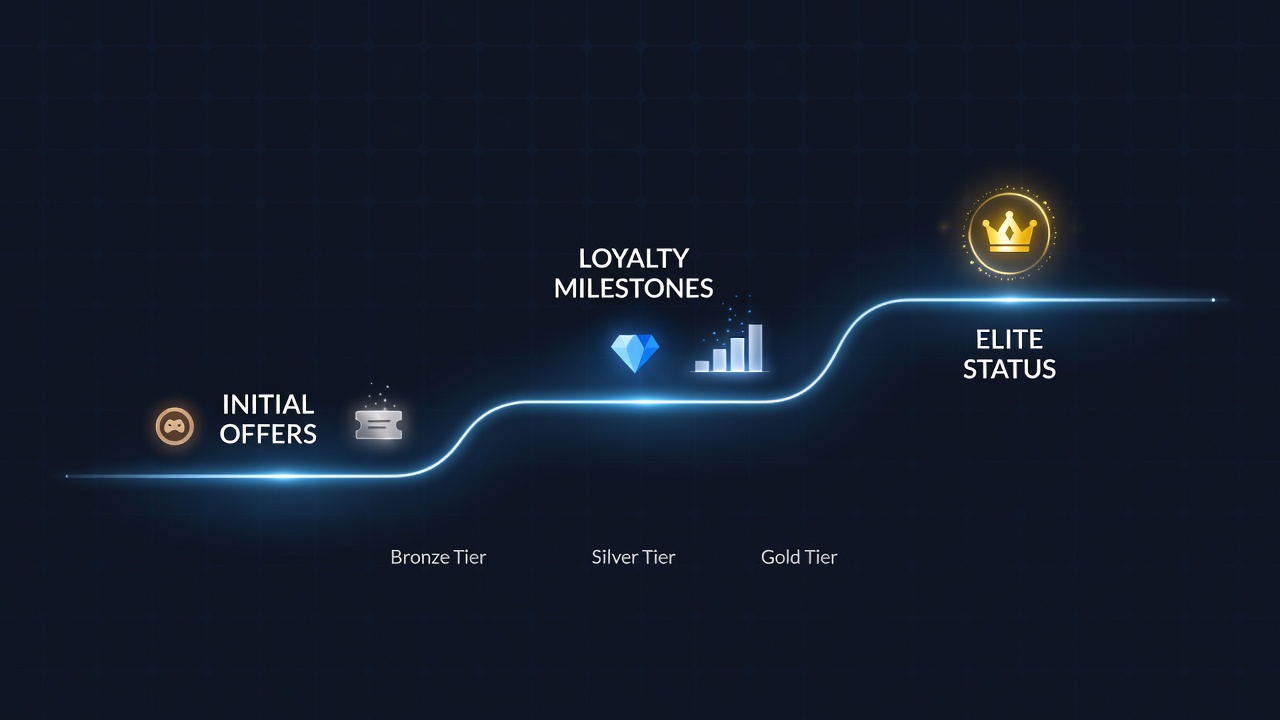
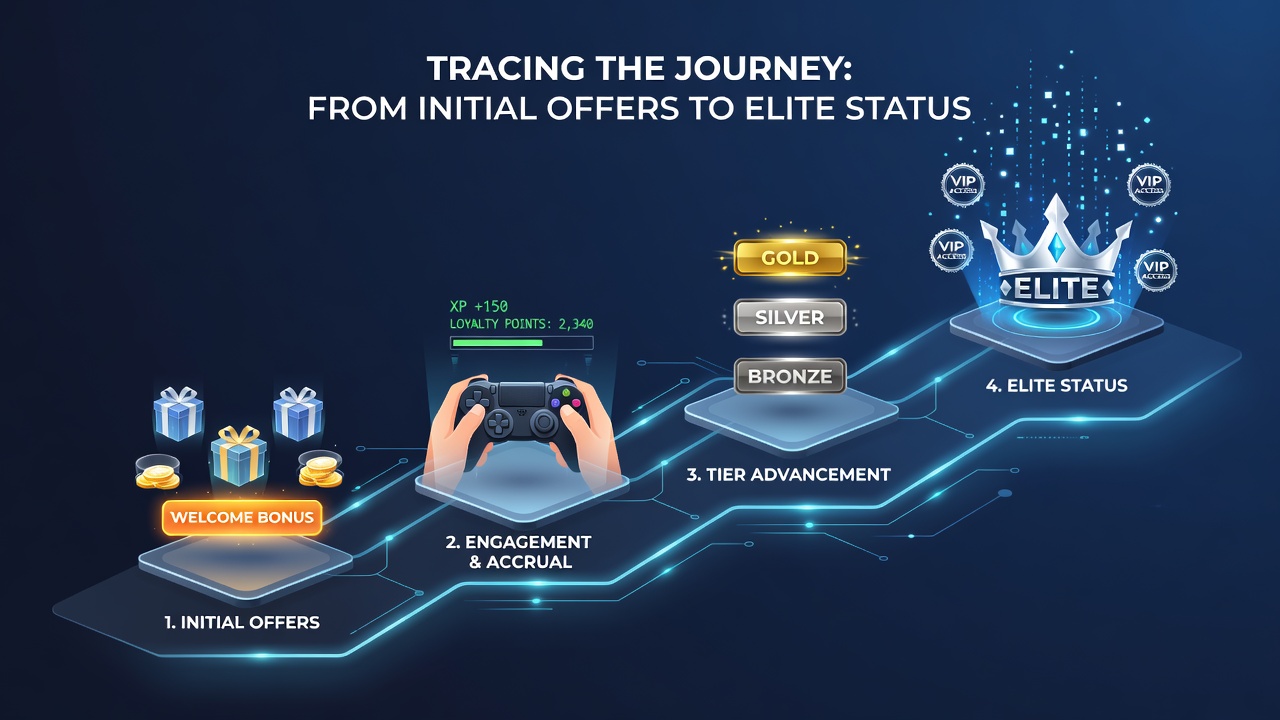
Online gaming platforms structure their loyalty frameworks as progressive systems that begin with entry-level incentives and advance participants toward premium benefits based on measurable activity thresholds, and these structures rely on data-driven criteria rather than subjective assessments. Operators define initial offers around welcome packages that include deposit matches and free spin allocations which serve as the baseline for account activation and early engagement tracking.
Research from the American Gaming Association shows that new participants typically encounter these starting points through registration processes that record wagering volume from the outset, and such data feeds directly into tier advancement algorithms. Points accumulate through consistent play across slot machines and table games while conversion rates vary by platform yet follow standardized formulas that convert bet amounts into loyalty credits.
Building Momentum with Tiered Accumulation
Advancement mechanics require sustained participation where players cross defined thresholds to unlock successive levels, and each stage introduces incremental perks such as enhanced cashback percentages alongside priority access to new game releases. Data from Canadian provincial regulators indicates that the transition from bronze to silver tiers often occurs after 500 to 2000 units of play within a three-month window, after which gold status demands higher volumes that incorporate live dealer sessions.
Operators integrate mobile tracking tools that update progress in real time, allowing participants to monitor their standing without manual calculations, and these systems connect bonus redemptions with loyalty point multipliers during promotional periods. Studies conducted by university research teams in Australia reveal that structured progression paths correlate with extended session lengths because visible milestones encourage continued engagement across multiple game categories.
Reaching Premium Access and Recognition
Elite status emerges once cumulative activity surpasses top benchmarks, granting access to dedicated account managers and exclusive tournament entries that operate separately from standard player pools. Platforms publish tier criteria openly on their sites so participants understand the requirements, and these documents detail annual resets alongside carry-over options for partial progress. In June 2026 several major operators adjusted their elite qualification windows to align with calendar-year reporting cycles used by international gaming associations, and this shift standardized comparisons across jurisdictions.
Benefits at the highest tiers extend beyond monetary returns to include event invitations and customized reward selections that reflect individual play histories, and verification processes confirm eligibility through audited transaction records. Industry reports from European trade organizations document that elite members represent a small percentage of total accounts yet contribute disproportionately to overall platform revenue through elevated wagering patterns.
Integration of Data Analytics and Compliance
Analytics engines process behavioral metrics to refine loyalty parameters, and operators apply machine learning models that predict churn risks before participants reach upper tiers. Regulatory frameworks in multiple regions mandate transparent disclosure of point valuation and redemption rates, which prevents discrepancies between advertised benefits and actual delivery. Participants who review these disclosures gain clearer insight into how initial offers convert into long-term advantages without reliance on promotional language alone.
Cross-platform partnerships allow loyalty points earned on one site to transfer toward status on affiliated networks, and this connectivity expands the effective reach of early-stage rewards. Observers note that such integrations appear more frequently in markets where licensing bodies require consumer protection measures that include clear explanations of loyalty mechanics.
Conclusion
The journey from initial offers to elite status follows defined pathways grounded in verifiable activity metrics and transparent criteria published by platform operators. Participants advance through documented stages that reward consistent engagement while regulatory oversight ensures these systems remain accessible and clearly explained. Continued evolution of these frameworks reflects adjustments in data collection methods and cross-jurisdictional standards that shape how rewards distribute across player bases.