Charting the Evolution of Reward Chains in Mobile-First Gaming: From Spin Allocations to Dealer Table Upgrades and Loyalty Milestones
Erik Hughes · Jul 16, 2026
Charting the Evolution of Reward Chains in Mobile-First Gaming: From Spin Allocations to Dealer Table Upgrades and Loyalty Milestones
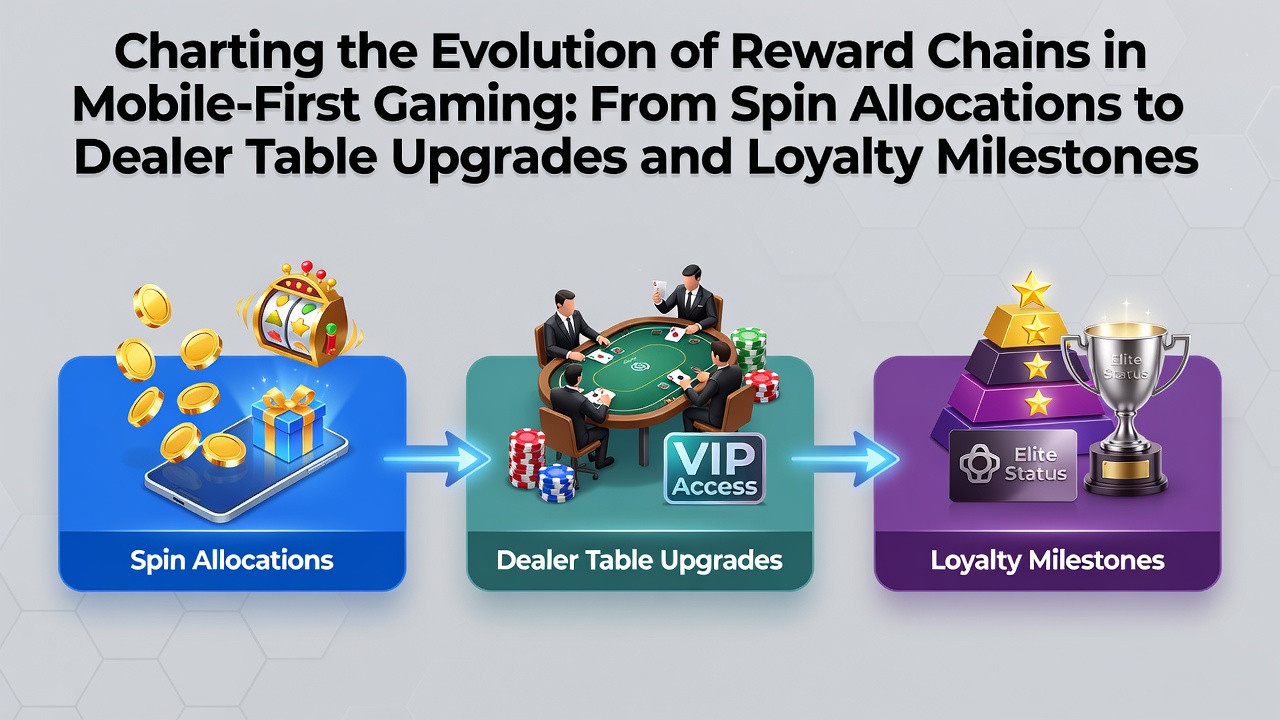
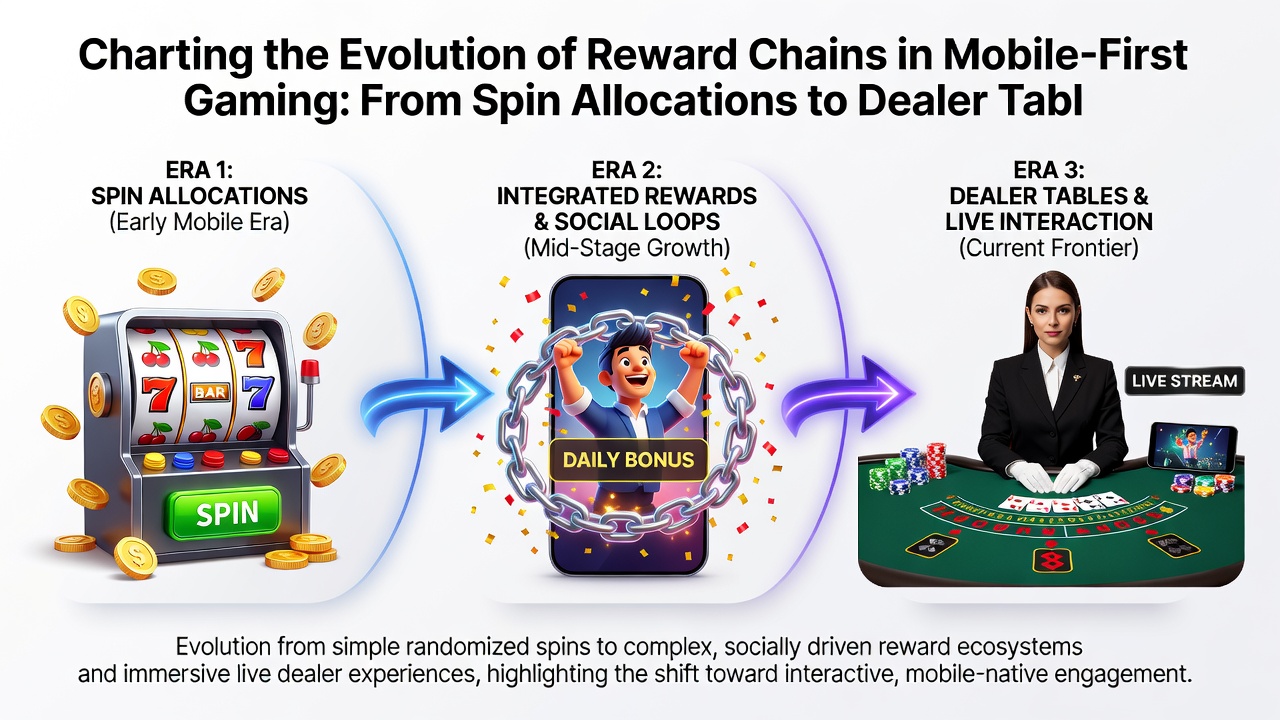
Developers began structuring reward chains in mobile-first gaming around basic spin allocations that rewarded players for consistent engagement with slot-style mechanics, and these systems quickly expanded as device capabilities improved. Early models relied on fixed sequences where completing a set number of spins unlocked incremental bonuses, which helped retain users during the initial growth phase of app-based entertainment platforms. Industry observers noted that this approach mirrored traditional arcade progression yet adapted it for touch interfaces and short session times common in mobile play.
Initial Frameworks in Spin-Based Mechanics
Spin allocations formed the foundation because they required minimal hardware demands while delivering immediate feedback loops that encouraged repeated logins. Data from platform analytics showed that users who received daily spin limits converted at higher rates than those without structured incentives, and developers responded by layering multipliers onto consecutive play streaks. Research from academic studies on digital engagement patterns indicates that these chains reduced churn by aligning rewards with behavioral triggers like time-of-day access. What's interesting is how quickly these simple allocations evolved once live elements entered mobile ecosystems, since connectivity improvements allowed real-time updates that static spin counts could not accommodate.
Transition Toward Integrated Dealer Experiences
As mobile networks stabilized, reward chains incorporated dealer table upgrades that let players advance from automated slots to interactive live sessions through milestone achievements. These upgrades typically required accumulating points from spins before unlocking access to higher-stakes tables with human dealers streamed directly to devices. Figures from international gaming associations reveal that such hybrid progressions increased average session duration because they combined solitary play with social components that felt more immersive on smaller screens. Observers note that table upgrades often included visual enhancements like upgraded dealer avatars or customized table themes, which further motivated users to climb the chain rather than switch apps.
Key Milestones in Loyalty System Development
- Point thresholds that trigger status elevations from basic to premium tiers
- Exclusive dealer table access granted after verified loyalty streaks
- Cross-game transfers of accumulated rewards across slot and table environments
Those who've studied these patterns recognize that loyalty milestones became central once operators realized players valued long-term recognition over isolated bonuses. In July 2026 several major platforms introduced synchronized milestone trackers that updated across devices, allowing seamless continuation whether a user switched from phone to tablet mid-session. This synchronization addressed fragmentation issues that earlier chains faced when rewards remained siloed within single titles.
Technological Drivers Behind Chain Expansion
Advancements in cloud synchronization and personalized algorithms enabled reward chains to scale beyond linear spin-to-table pathways. Developers integrated predictive modeling that adjusted milestone difficulty based on individual play histories, which data from North American research institutions shows improved retention metrics across demographic segments. And yet the core structure remained consistent: start with accessible spin allocations, progress through table upgrades that demanded higher engagement, and culminate in loyalty milestones that offered ongoing privileges like priority dealer seating or accelerated point accrual. People who've examined code repositories from this period find that modular design choices allowed rapid addition of new reward layers without rebuilding entire systems from scratch.
Regional Variations in Implementation
European operators tended to emphasize social features within loyalty milestones, whereas Asian markets focused more on competitive leaderboards tied to dealer table performance. Australian regulatory bodies have documented how these differences influenced cross-border app development strategies, since localization required adapting reward pacing to cultural preferences around risk and reward visibility. The reality is that mobile-first environments accelerated experimentation because update cycles moved faster than console or desktop equivalents, letting teams test chain variations weekly rather than quarterly.
Current State of Integrated Reward Ecosystems
Today most mobile gaming platforms link spin allocations directly to dealer table upgrades through unified dashboards that display progress toward loyalty milestones in real time. This integration reduces cognitive load for users while giving operators granular control over reward distribution economics. According to reports issued by the American Gaming Association, platforms adopting full-chain visibility experienced measurable upticks in cross-title participation rates. Experts have observed that successful chains balance immediate spin gratification with longer-term table and loyalty incentives, creating sustained engagement without overwhelming new users at entry points.
Conclusion
The evolution from basic spin allocations to sophisticated dealer table upgrades and loyalty milestones reflects broader shifts in how mobile platforms structure user progression. Continued refinement depends on data feedback loops that track which milestones drive meaningful retention across diverse player bases. As hardware and connectivity advance further, these chains will likely incorporate additional layers while preserving the foundational sequence that proved effective from the outset.