Charting Bonus Pathways in Digital Casinos: From First-Time Offers to Enduring Player Involvement
Erik Hughes · Jul 9, 2026
Charting Bonus Pathways in Digital Casinos: From First-Time Offers to Enduring Player Involvement
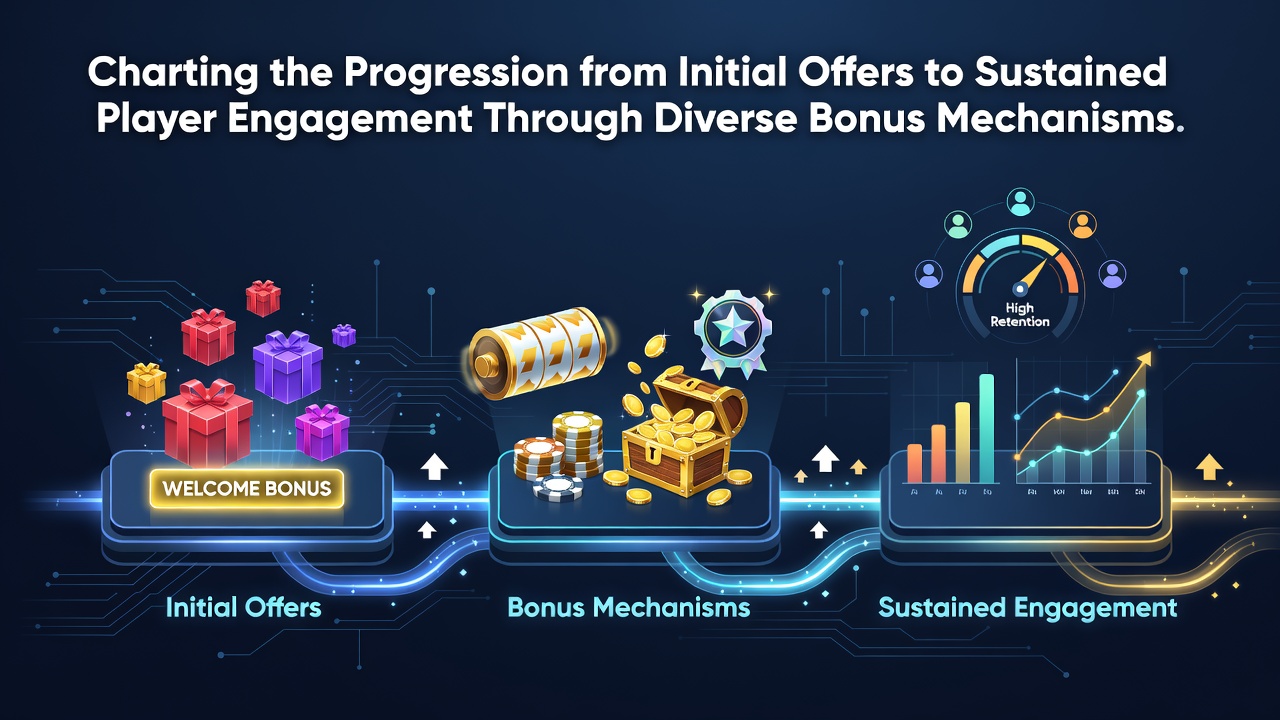
Operators structure bonus systems to guide players through stages that begin with acquisition tools and extend into retention frameworks, according to industry analyses released in July 2026. These mechanisms combine deposit matches, free spin allocations, and cashback provisions that activate at different points in the player lifecycle.
Initial offers typically focus on sign-up incentives that require minimal commitment, while later stages introduce progressive rewards tied to deposit frequency and session volume. Data from multiple markets shows that operators who sequence these elements report higher repeat visit rates compared with those relying on single-stage promotions.
Acquisition Phase: No-Deposit and Welcome Structures
Many platforms launch campaigns with no-deposit credits or small free spin bundles that allow immediate access without financial input. These entry points reduce barriers for new accounts and generate early data on user preferences. Once players complete verification steps, welcome packages often expand to include matched deposits across the first several transactions, creating momentum toward sustained deposits.
Regional reports from the American Gaming Association indicate that welcome sequences lasting three to five deposits correlate with improved week-one retention metrics. Operators adjust the size and type of these matches based on game categories, with slot-focused bundles appearing more frequently than table-game equivalents in recent campaigns.
Mid-Stage Momentum: Reload and Cashback Incentives
After the welcome window closes, reload bonuses and weekly cashback offers take over to maintain deposit patterns. Reload structures usually apply lower percentages than initial matches but activate on a recurring schedule, while cashback returns a portion of net losses during defined periods. Both tools encourage players to continue activity rather than pausing after the first promotional cycle.
One study of Canadian online gaming operators found that cashback programs tied to weekly loss thresholds produced steadier engagement than sporadic high-value reloads. Players receive these returns either as bonus funds subject to wagering or as direct account credits, depending on the platform's risk settings.
Long-Term Retention: Loyalty Tiers and VIP Ascents
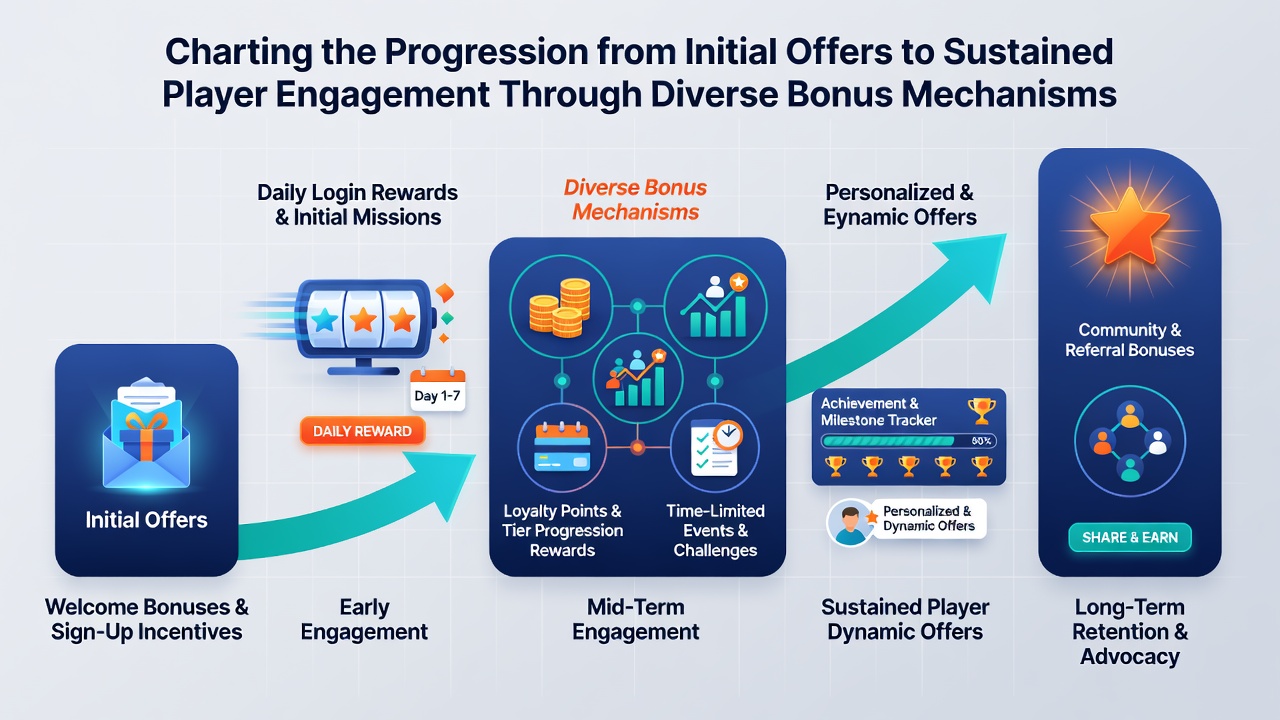
Loyalty programs convert regular play into tiered status levels that unlock escalating benefits. Points accumulate from wagers across slots, table games, and live dealer sessions, then convert into rewards such as exclusive free spins, higher cashback rates, or personalized deposit offers. Advancement through tiers often requires consistent activity over multiple months rather than isolated large deposits.
According to figures released by the European Gaming and Betting Association, players who reach mid-tier loyalty status show retention rates roughly double those of entry-level accounts. VIP programs add dedicated account managers and invitation-only tournaments that further differentiate high-value users, creating additional layers of engagement beyond standard bonus mechanics.
Cross-Channel Integration and Mobile Considerations
Modern systems link bonus eligibility across desktop and mobile interfaces so that progress made on one device carries forward. Push notifications alert users when new free spin allocations or reload windows become available, while in-app progress trackers display remaining wagering requirements. This connectivity reduces friction and supports continued participation regardless of access method.
Operators have also begun embedding bonus triggers inside tournament formats and community challenges, where collective milestones unlock shared rewards. These social elements extend engagement beyond individual accounts and introduce new pathways for sustained involvement.
Conclusion
The progression from initial offers to sustained engagement relies on sequenced mechanisms that adapt to player behavior over time. Data across jurisdictions demonstrates that varied bonus types, when deployed in logical order, support both acquisition and long-term activity metrics. As platforms refine these systems, the emphasis remains on aligning promotional structures with observable patterns of deposit frequency and session duration.